The Anatomy of a Braking System: Components You Should Know
Brake Maintenance 101: Tips to Keep Your Brakes in Top Shape
Your brakes are one of your vehicle’s most important safety systems. When you depress the brake pedal, you expect it to bring the car to a complete stop. But you may need to learn exactly how all the components within your brake system work together. So, understanding how your brake system works will help you to understand how it is you need to maintain your brake system.
Brake Pads vs. Rotors: Signs of Wear and Tear to Watch For
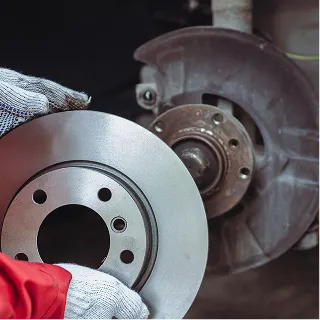
Your brake system begins with a brake pedal. The pedal is where you apply force that is translated by the brake booster, master, and cylinder to push all of that brake fluid through the lines. The brake booster helps to boost the brake’s performance without the driver needing extreme pressure on the brake pedal. Now, the brake booster is located between the brake pedal and the master cylinder. It increases the physical force put on the brake pedal. The master cylinder is the center of your brake system. Its purpose is to convert the force from the brake pedal into hydraulic pressure. When you press the brake pedal, brake fluid is pumped into the brake lines, which travels down toward the calipers. The brake lines only carry the brake fluid a portion of the way, though. And that is where the brake hose comes in. The brake hose is a rubber hose connected to the brake lines that carry the fluid to the calipers. These brake calipers hold the pads and pistons in place. So, when brake fluid is pumped into the calipers, the pistons push the brake pads, squeezing them against the disc rotors and slowing the vehicle. Brake pads are either organic or metallic pads held against the rotors by the calipers. They act as the friction material when your brakes are engaged. The friction of the brake pads against the brake rotor slows the car down. The brake rotor is a metal disk attached to each wheel. The calipers are positioned so the brake rotor rim sits between the brake pads, allowing them to create friction on the rotor. If your car has an anti-lock braking system, it prevents wheel lockup when you apply the brakes with full force. Finally, the emergency brake or handbrake prevents the car from moving when parked. It pulls at a cable that engages the two rear brakes, which locks the rear wheel. You must hold the handbrake button if you need to use the emergency brake while driving. If you pull the handbrake up, like when parking, the rear brakes lock, and the car loses control.
The experts on brake repair
If you live in the Puget Sound area of Washington State, you know how important breaks are to the functioning of your car. Whether you have disc or drum brakes, the Austin Pro Max technicians are ready to help you keep your brakes in good working order. One of the ways you can save money on costly repairs is preventative maintenance through a brake inspection at Austin’s Pro Max. Your brakes should be inspected every 12,000 miles or once a year. Brakes are a component of your vehicle that are subject to wear down over time and should be replaced as needed. Give us a call at one of our three Tacoma, Washington, area locations to schedule your next brake service, with or without an appointment.