


Wheel Alignment

Wheel Alignment in Puyallup, Washington
Wheel Alignment Services for Optimal Vehicle Performance
The Importance of Proper Wheel Alignment
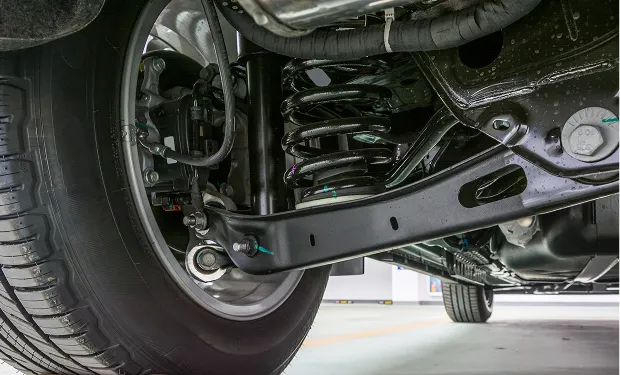
When your vehicle’s wheels aren’t properly aligned, you’ll notice it in your daily driving experience through symptoms like pulling to one side or uneven tire wear patterns. Wheel alignment involves adjusting your vehicle’s suspension components to ensure all four wheels point in the correct direction according to manufacturer specifications. At Austin’s Pro Max in Puyallup, our experienced technicians use precision alignment equipment to measure and adjust toe, camber, caster angle, and thrust angle settings. This comprehensive four wheel alignment process ensures your vehicle tracks straight down the road while maximizing tire life and fuel efficiency. Our state-of-the-art alignment machine provides accurate measurements that allow us to restore your vehicle’s geometry to factory specifications. Whether you drive daily commuter vehicles or classic muscle cars, proper alignment is essential for safe handling and optimal performance.

Warning Signs Your Vehicle Needs Wheel Alignment Service
Several telltale signs indicate when your car alignment needs professional attention, and recognizing these symptoms early can save you money on premature tire replacement. Vehicle pulling to one side while driving on straight roads is often the first sign drivers notice, followed by an off-center steering wheel even when traveling straight ahead. Uneven or rapid tire wear patterns, particularly on the inside or outside edges of your tires, clearly indicate alignment issues that require immediate correction. Steering wheel vibration during normal driving conditions and squealing tires when making turns are additional warning signs that shouldn’t be ignored. If you’ve recently had suspension work performed or hit a significant pothole or curb, scheduling an alignment check is essential to prevent further damage. Our technicians at 11502 Canyon Rd E., Puyallup, WA 98373 can quickly diagnose alignment problems and explain exactly what adjustments your vehicle needs to restore proper tracking and handling.
Comprehensive Alignment Process and Related Services
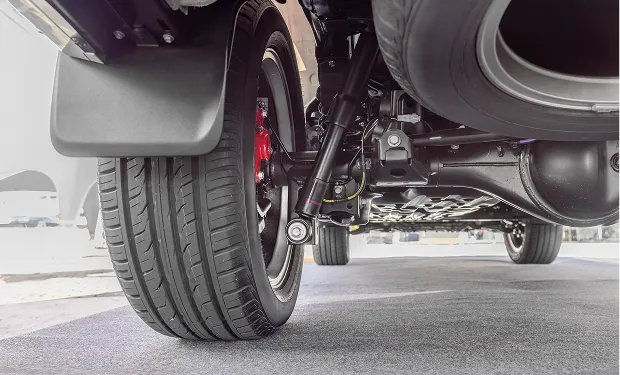
Our front end alignment and suspension inspection process begins with thoroughly evaluating your steering components and suspension system to identify any worn parts that could affect alignment accuracy. Using computerized diagnostic equipment, we measure all alignment angles and compare them to your vehicle’s specific manufacturer specifications before making any adjustments. The alignment service includes toe adjustment to ensure your tires point straight ahead, camber adjustment to optimize tire contact with the road surface, and caster angle correction for proper steering stability and returnability. We also check thrust angle to ensure your rear wheels track properly behind the front wheels, creating a stable foundation for precise handling. Our comprehensive service often includes tire rotation, balancing, and tire pressure adjustment to maximize your investment in new alignment settings. You can reach our Puyallup location at (253) 539-9393 to schedule your alignment service, and we’re open Tues-Sat: 8am – 5pm to accommodate your busy schedule.
certified repairs
featured services














FAQs
Frequently asked questions
Most vehicles benefit from alignment checks every 12,000 to 15,000 miles or whenever you notice pulling, uneven tire wear, or after suspension repairs.
Wheel alignment adjusts suspension angles to ensure proper tire contact with the road, while tire balancing corrects weight distribution around the wheel and tire assembly.
While possible, driving with misaligned wheels causes rapid tire wear, reduced fuel economy, and compromised vehicle handling that can affect safety.
Most alignment services take 60 to 90 minutes, depending on your vehicle’s condition and whether additional suspension components need attention.
Alignment can resolve some steering issues, but vibration might also indicate tire balancing problems or worn suspension components that require separate attention.