


Car AC Repair

Car A/C Repair in Tacoma, Washington
Professional Automotive Air Conditioning Services
Why Your Car’s A/C System Needs Professional Attention
When your car’s air conditioning system stops working properly, it’s more than an inconvenience during Tacoma’s warm summer months. Your vehicle’s A/C system is a complex network of components that work together to keep you comfortable, including the compressor, condenser, evaporator, and expansion valve. At Austin’s Pro Max, our ASE-certified technicians understand how each component from the A/C clutch to the blower motor affects your system’s performance. We’ve provided reliable car A/C repair services to Tacoma drivers since 1998, building our reputation for quality workmanship and honest diagnostics. Whether you’re dealing with warm air from your vents or strange noises when the A/C runs, our team uses advanced diagnostic equipment to identify the root cause of your air conditioning problems. Our comprehensive approach to auto air conditioning service ensures we address the symptoms and underlying issues affecting your vehicle’s climate control system.
Common A/C Problems We Diagnose and Repair
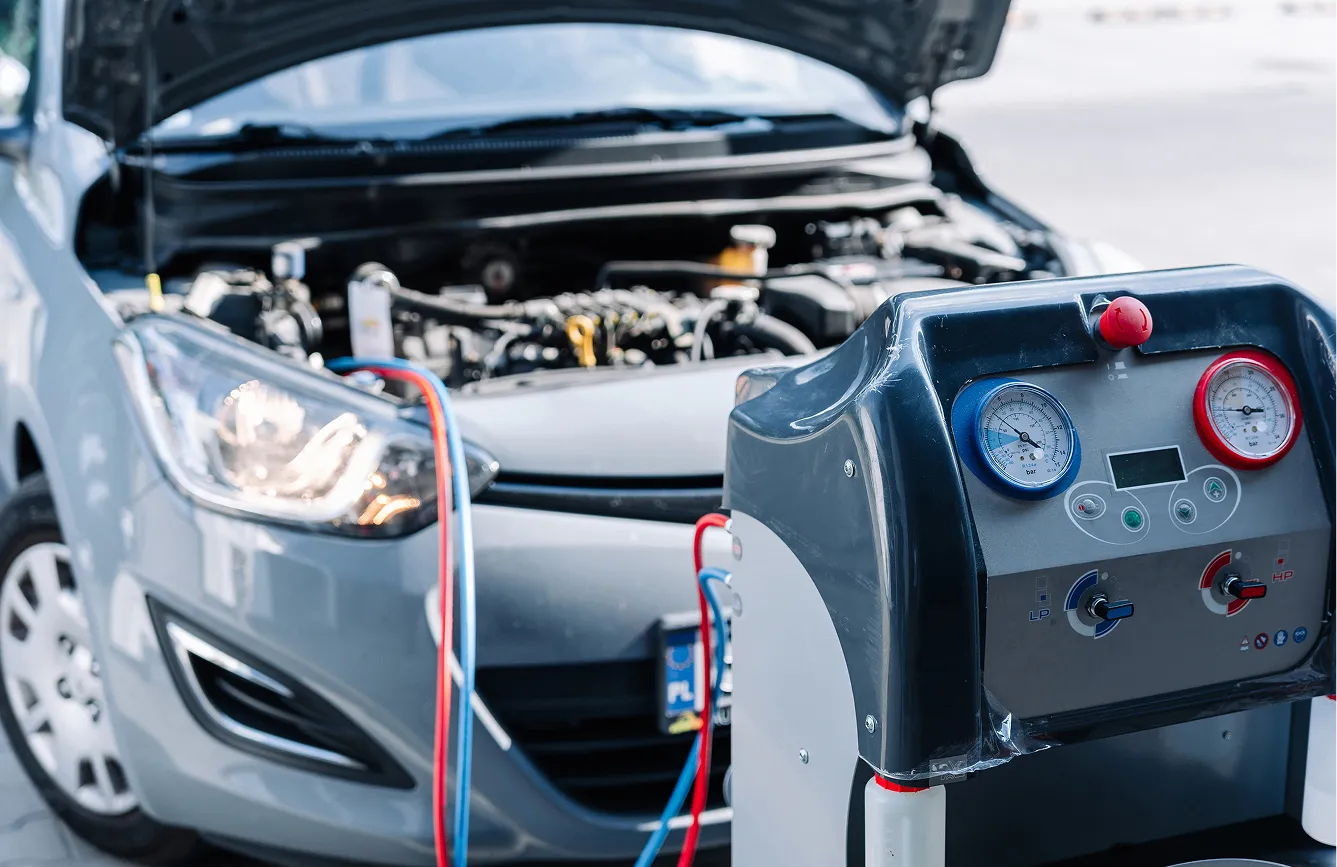
Recognizing the early warning signs of A/C system failure can save you from more expensive repairs down the road. If you notice weak airflow coming from your vents, this often indicates problems with the blower motor or cabin air filter that need immediate attention. Strange noises when your A/C is running typically point to issues with the compressor or A/C clutch not engaging properly, which our technicians can diagnose using specialized testing equipment. When your car A/C repair needs involve refrigerant issues, we work with R-134a and R-1234yf systems, ensuring proper handling and environmental compliance. Unusual odors from your vents often signal contamination in the evaporator or ductwork that requires thorough cleaning and component replacement. Our team at 5602 S Tacoma Way, Tacoma, WA 98409 has the expertise to handle intermittent A/C problems that only work sometimes, frequently involving electrical issues with the A/C control module or related wiring harnesses.
Comprehensive A/C Services and Expert Repairs
Our complete range of automotive climate control repair services goes beyond basic troubleshooting, including thorough system analysis and component replacement when needed. We perform detailed leak detection using electronic leak detectors and UV dye systems to locate even the smallest refrigerant leaks in your condenser, evaporator, or connecting lines. When your car’s A/C compressor replacement becomes necessary, we use only high-quality OEM or equivalent parts backed by comprehensive warranties for your peace of mind. Our A/C system recharge service includes evacuation of old refrigerant, system cleaning, and precise refilling to manufacturer specifications for optimal performance. Belt inspection and replacement ensure that your compressor receives proper power transmission, while cabin air filter replacement improves air quality and system efficiency. You can reach our experienced team at (253) 472-1336 during Mon-Sat: 8am – 5pm to schedule your vehicle A/C recharge or comprehensive car air conditioning fix. We’ll have you back on the road with reliable climate control.
certified repairs
featured services














FAQs
Frequently asked questions
Most manufacturers recommend A/C system inspection every 1-2 years, with refrigerant replacement typically needed every 3-5 years, depending on usage and system condition.
Warm air usually indicates low refrigerant levels, a failing compressor, or electrical issues with the A/C clutch engagement system requiring professional diagnosis.
While not immediately dangerous, a malfunctioning A/C system can affect driver comfort and concentration, especially during hot weather conditions in Tacoma.
Simple services like recharging take 1-2 hours, while major component replacements such as compressor installation may require a full day, depending on your vehicle.
R-1234yf is the newer, more environmentally friendly refrigerant used in vehicles manufactured after 2013, while R-134a is found in older systems.