


Catalytic Converter Replacement

Catalytic Converter Replacement in Tacoma, Washington
Professional Emissions System Repair Services
When Does Your Catalytic Converter Need Replacement?
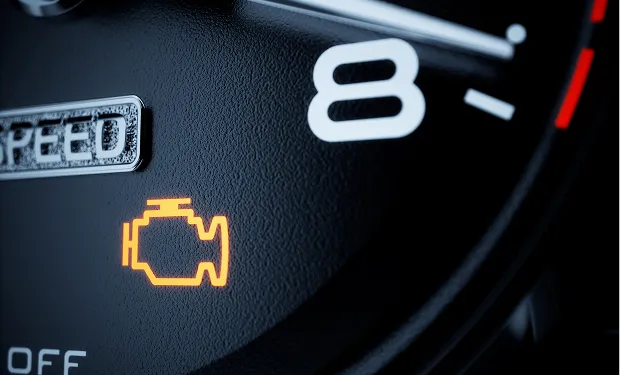
Your vehicle’s catalytic converter reduces harmful emissions by converting toxic gases into less harmful substances through its ceramic or metallic honeycomb core. When this essential component begins to fail, you’ll notice several warning signs that shouldn’t be ignored. The most common indicator is your check engine light illuminating on your dashboard, often accompanied by a failed emissions test that prevents vehicle registration renewal. Austin’s Pro Max in Tacoma has been helping drivers navigate these challenging situations since 1998, combining over 60 years of family automotive expertise with modern diagnostic technology. You might also experience reduced fuel economy as your engine works harder to compensate for the failing converter or notice sluggish acceleration and poor overall performance. That distinctive rotten egg smell from your exhaust system is another telltale sign, along with dark or black exhaust smoke that indicates incomplete combustion. If you hear rattling noises from underneath your vehicle or experience engine misfiring and rough idling, these symptoms often point to internal converter damage that requires immediate attention.

The Catalytic Converter Replacement Process
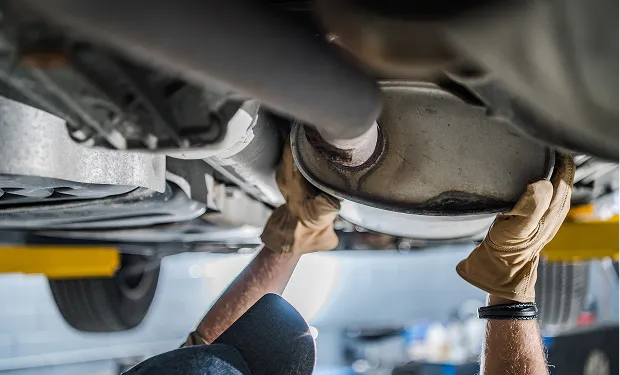
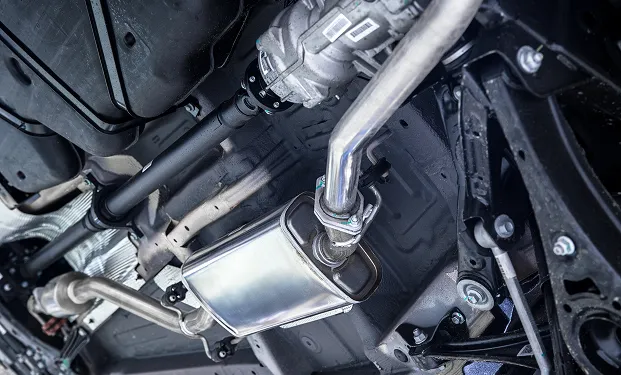
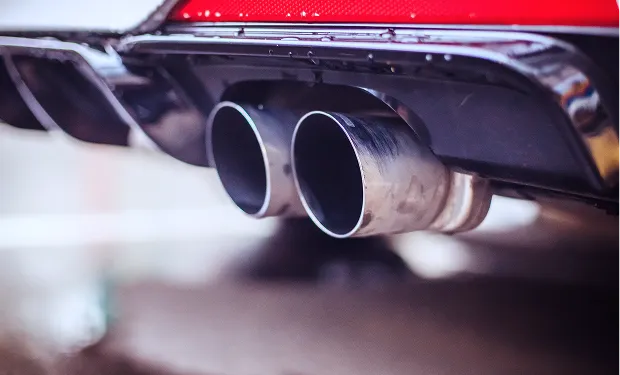
Our certified technicians at Austin’s Pro Max begin every catalytic converter replacement with thorough diagnostic testing to confirm the root cause of your emissions problems. We inspect all related components, including oxygen sensors, heat shields, exhaust manifold gaskets, and mounting brackets, to ensure optimal system performance after installation. The replacement process involves carefully removing the old converter while preserving critical exhaust clamps and bolts, then installing a high-quality OEM or equivalent replacement that meets strict emissions standards. We pay special attention to resonator and muffler connections to maintain proper exhaust flow and prevent future issues. Our team also examines the entire exhaust system for potential problems affecting your new converter’s lifespan, including damaged hangers or corroded pipes. Located at 5602 S Tacoma Way, Tacoma, WA 98409, our facility has state-of-the-art diagnostic equipment that allows us to verify proper installation and system function before returning your vehicle. You can reach us at (253) 472-1336 to schedule your appointment, and we’re open Mon-Sat: 8am – 5pm to accommodate your busy schedule.
Related Services and Preventive Maintenance
Catalytic converter replacement often coincides with other essential maintenance services that help protect your investment and ensure long-term reliability. Our oxygen sensor replacement service addresses faulty O2 sensors that can cause premature converter failure by providing incorrect air-fuel mixture readings to your engine’s computer. We also offer comprehensive exhaust system inspection and repair, engine diagnostic and tune-up services, and emissions system cleaning to maintain optimal performance. Regular engine air filter replacement and fuel injector cleaning help prevent contaminants from reaching your catalytic converter. PCV valve replacement and EGR valve service ensure proper engine ventilation and emissions control. Austin’s Pro Max specializes in daily driving vehicles and street rods or muscle cars, understanding that different applications require specific approaches to emissions system maintenance. Whether you need an aftermarket catalytic converter replacement for a modified vehicle or an OEM replacement for factory specifications, our experienced team provides honest recommendations based on your vehicle’s needs and budget. We believe in first-come, first-served service while delivering quality work at fair prices and building lasting relationships with Tacoma drivers who value transparency and expertise in automotive repair.
certified repairs
featured services














FAQs
Frequently asked questions
Most replacements take 2-4 hours, depending on your vehicle’s design and accessibility. However, complex installations may require additional time for proper fitting and testing.
While possible in the short term, continued driving risks engine damage, failed emissions tests, and potential safety hazards from toxic exhaust gases entering the cabin.
Common causes include engine misfires, contaminated fuel, oil consumption, coolant leaks, and normal wear after 80,000-100,000 miles of typical driving conditions.
Costs vary significantly based on your vehicle’s make, model, and converter specifications, ranging from several hundred to over a thousand dollars, including parts and labor.
Replacing a failing converter typically restores proper engine efficiency, often improving fuel economy by 10-15% while eliminating performance issues and emissions problems.